02-WEDDING & TOURS

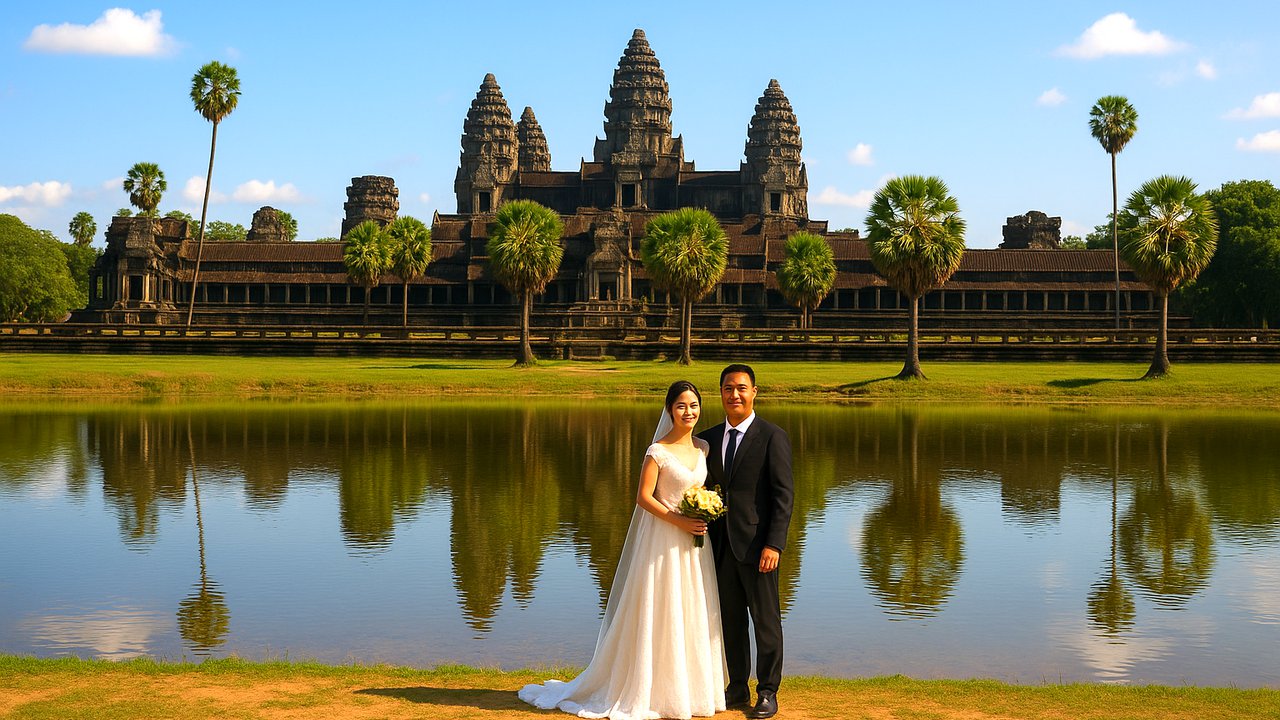
The 'KAMPONG KLEANG' brings together the ten most iconic temples and sites of the Angkor Archaeological Park — the spiritual and artistic heart of Cambodia. This journey is a true immersion into a thousand years of history, faith, and beauty, through the masterpieces that defined the grandeur of the Khmer Empire.
The visit begins with Angkor Wat, the country’s crown jewel and national symbol. Built in the 12th century, this monumental temple captivates with its perfect harmony of architecture and the delicate bas-reliefs that depict the great Hindu epics. At dawn, the golden light reflects on the surrounding moat, bathing the stone in a sacred glow.
Next comes Ta Prohm, the temple embraced by the jungle, where giant tree roots entwine the ancient towers. Here, nature and time merge to create one of Angkor’s most enchanting scenes.
The tour continues into Angkor Thom, the “Great City,” last capital of the Khmer Empire. Entering through its monumental gate guarded by gods and demons, visitors reach the magnificent Bayon Temple, famous for its serene stone faces smiling over the four directions. Within the royal compound stand other wonders — Phimeanakas, the temple of royal legend; the grand Baphuon, a towering temple-mountain; and the impressive Terrace of the Elephants, the royal stage adorned with intricate carvings. Nearby, the Terrace of the Leper King unveils mysterious sculptures of divine and demonic figures, evoking death and rebirth.
The path then leads to Ta Keo, an unfinished yet majestic pyramid of sandstone whose steep stairs rise boldly toward the sky — a symbol of strength, devotion, and human aspiration. The day concludes peacefully at Banteay Kdei, a quiet Buddhist sanctuary shaded by ancient trees, radiating calm and timeless spirituality.
Just opposite lies Srah Srang, the “Royal Bath,” a vast and tranquil reservoir once reserved for the king and his court. At sunrise, its waters shimmer like a mirror, reflecting palm trees and the first light of the day — a perfect moment of serenity before the temples awaken.
This Major Tour is a living tapestry of history, art, and faith. It traces the evolution of Angkor — from Hindu devotion to Buddhist contemplation — and brings to life the splendor of a vanished empire, set between jungle, light, and eternity.
Wat Orch Rainsy
Visiting tips:
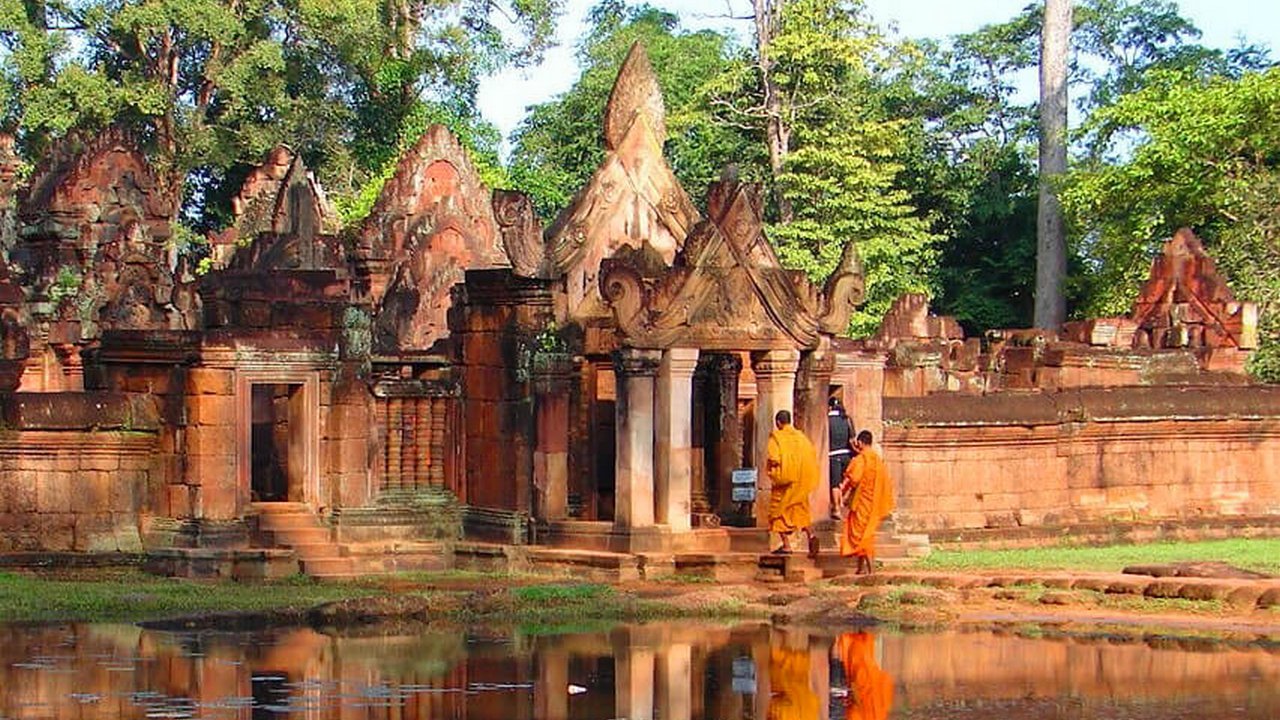
Located about 35 km from Siem Reap, best visited early in the morning for the golden light on the pink sandstone. Allow 1 to 1.5 hours. Usually combined with Kbal Spean or Phnom Kulen.
Nicknamed the Citadel of Women, Banteay Srei is a rare jewel of Khmer art, located about 30 km northeast of Angkor. Built in the 10th century and dedicated to Shiva, it was not commissioned by a king but by a learned Brahmin.
Carved from delicate pink sandstone, the temple displays astonishingly fine reliefs — floral motifs, mythological scenes, and elegant apsaras that seem almost alive. Morning sunlight reveals soft rose hues that make the stone glow with warmth and beauty.
More intimate than the great royal temples, Banteay Srei embodies the grace, precision, and poetry of Khmer civilization.
On the way ...
Visiting tips:
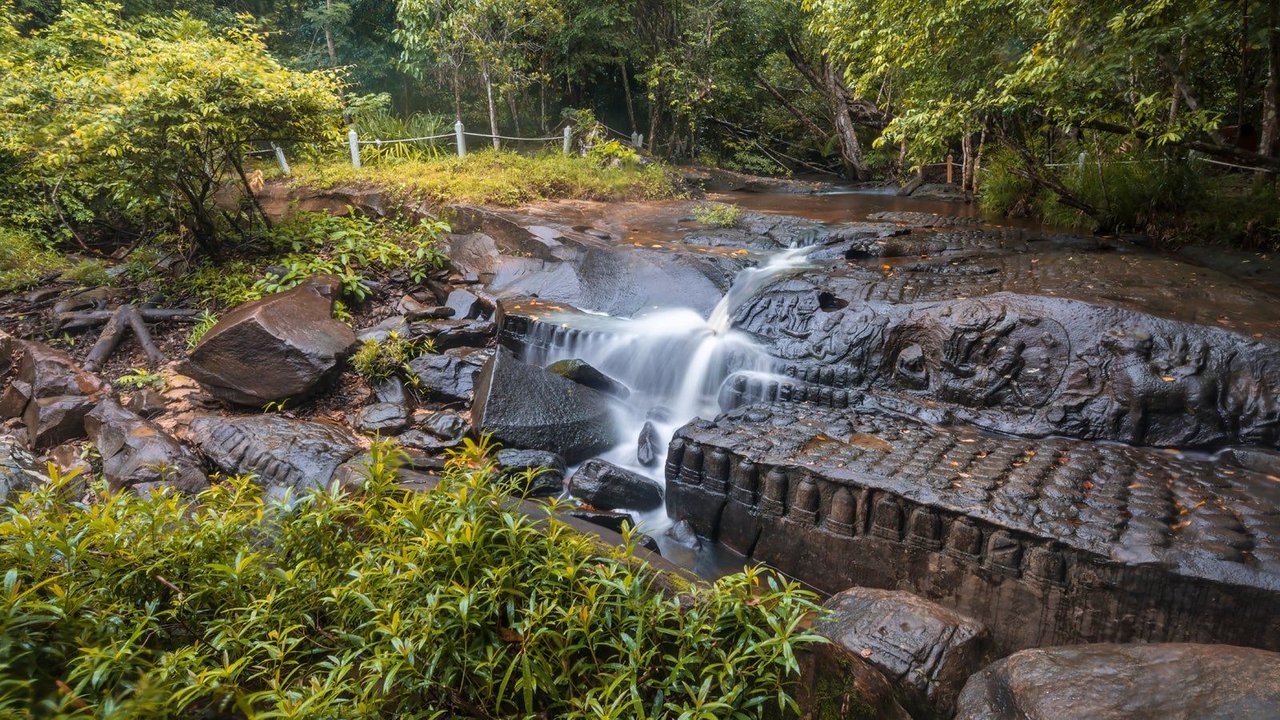
Located about 50 km from Siem Reap, the site requires a 45-minute hike through the jungle (moderate uphill trail). Bring good shoes, water, and a hat. Best visited in the morning, often combined with Banteay Srei or Phnom Kulen.
Hidden deep in the jungle, Kbal Spean — the River of a Thousand Lingas — is a sacred site where spirituality and nature unite. Along the riverbed, hundreds of carvings of Hindu deities, lingas, and symbols of fertility are sculpted directly into the rock beneath the flowing water.
Discovered in the 1960s, Kbal Spean reflects the devotion of Angkor’s artisans to the divine essence of water. The gentle stream, waterfalls, and birdsong create a meditative harmony — a living temple shaped by the forest itself.
Roluos Market
Visiting tips:
Located about 15 minutes from Bayon, best explored in the morning. Plan 1½ to 2 hours for a full visit. The shaded paths make it comfortable even in warm weather. Bring a flashlight if you like exploring darker corridors.
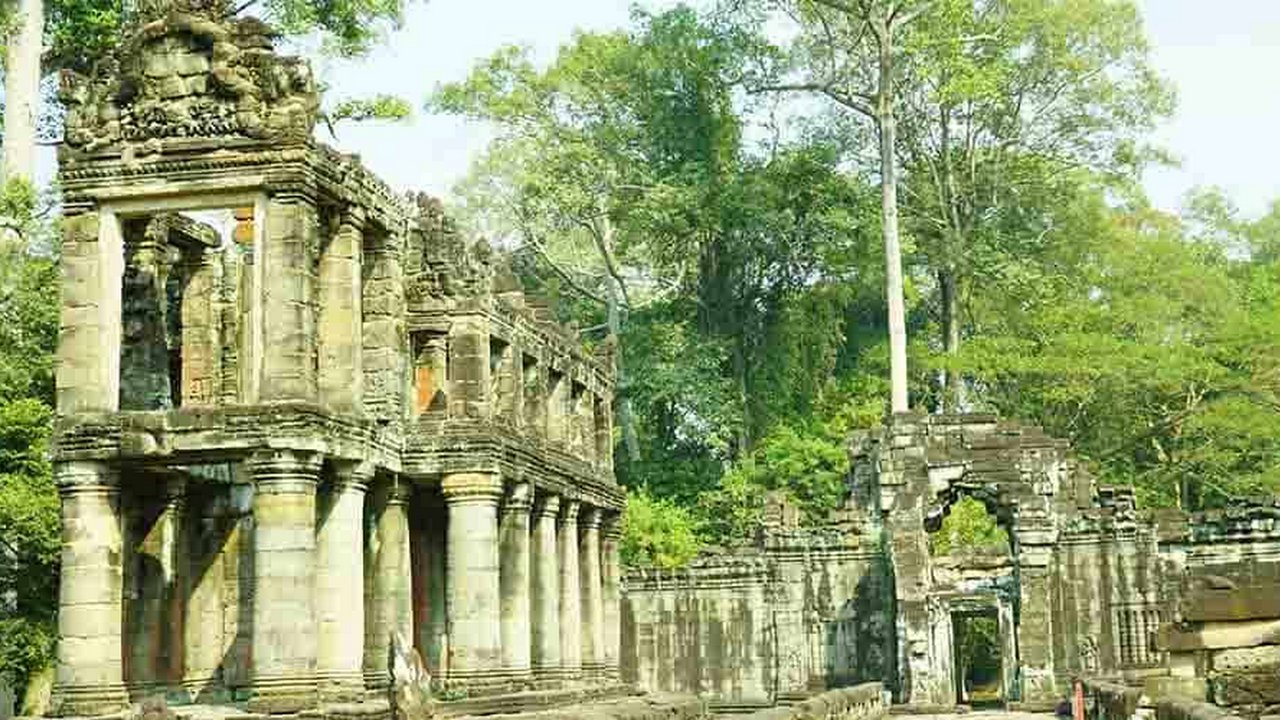
Built in 1191 by Jayavarman VII, Preah Khan — meaning “Sacred Sword” — is one of Angkor’s most atmospheric temples. Once both a monastery and a city, it housed thousands of residents and functioned as a center of learning and worship.
The temple’s vast maze of corridors, courtyards, and sanctuaries reflects both Buddhist and Hindu symbolism. Giant trees embrace the crumbling walls, and the filtered light gives the site an ethereal beauty.
Unlike more restored monuments, Preah Khan retains its wild authenticity — half ruin, half sanctuary, it feels alive with memory.
On the way ...
Visiting tips:
About 25 minutes from Bayon, usually combined with Preah Khan. Pleasant walk across the causeway; best in the morning or late afternoon for beautiful reflections.
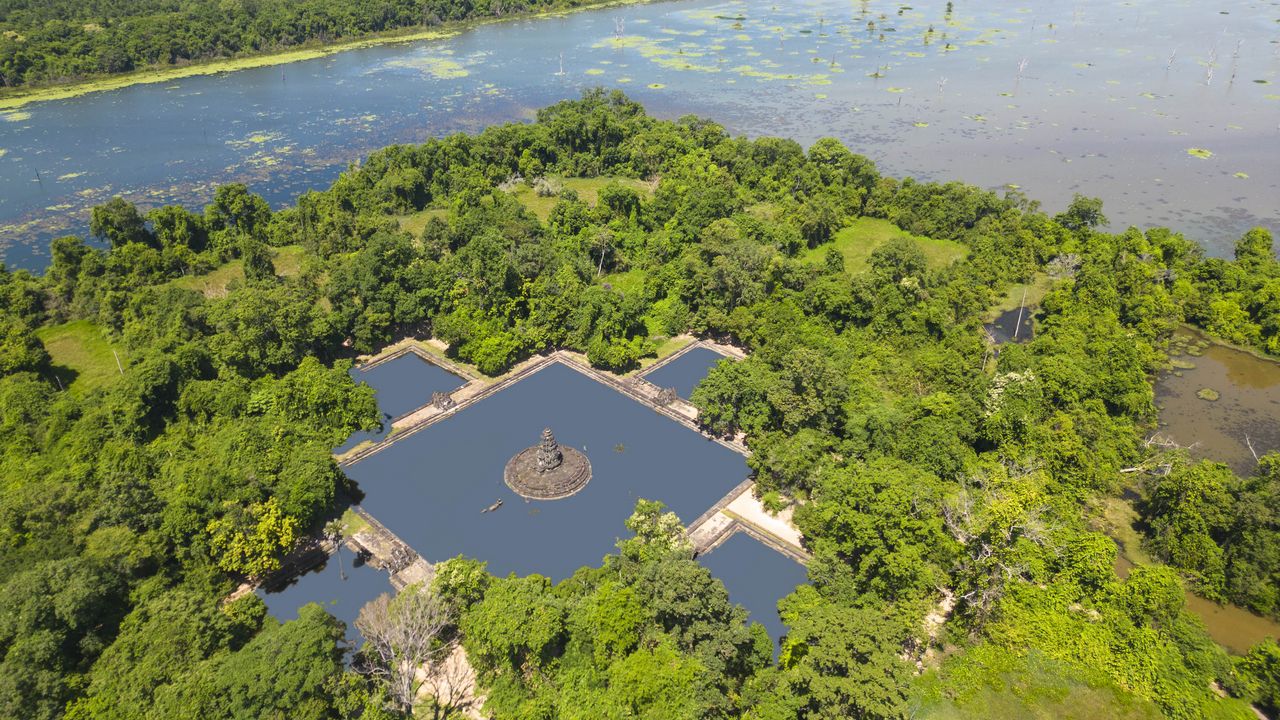
Perched on an island at the center of a sacred reservoir, Neak Pean was built by Jayavarman VII in the 12th century as a place of spiritual and physical healing. Its name means “The Entwined Serpents,” referring to the nagas coiling around the central shrine.
Visitors cross a long wooden causeway over shimmering wetlands to reach the tranquil pool. The reflection of the temple in the water, the soft breeze, and the calls of birds create a scene of peace and harmony.
Each basin once represented one of the four elements — earth, water, fire, and air — symbolizing balance and purification.
Kampong Phluk
Visiting tips:
About 20 minutes from Angkor Wat, ideal at sunset. Steps are steep and uneven — wear comfortable shoes. Allow 45 minutes to 1 hour for a relaxed visit.
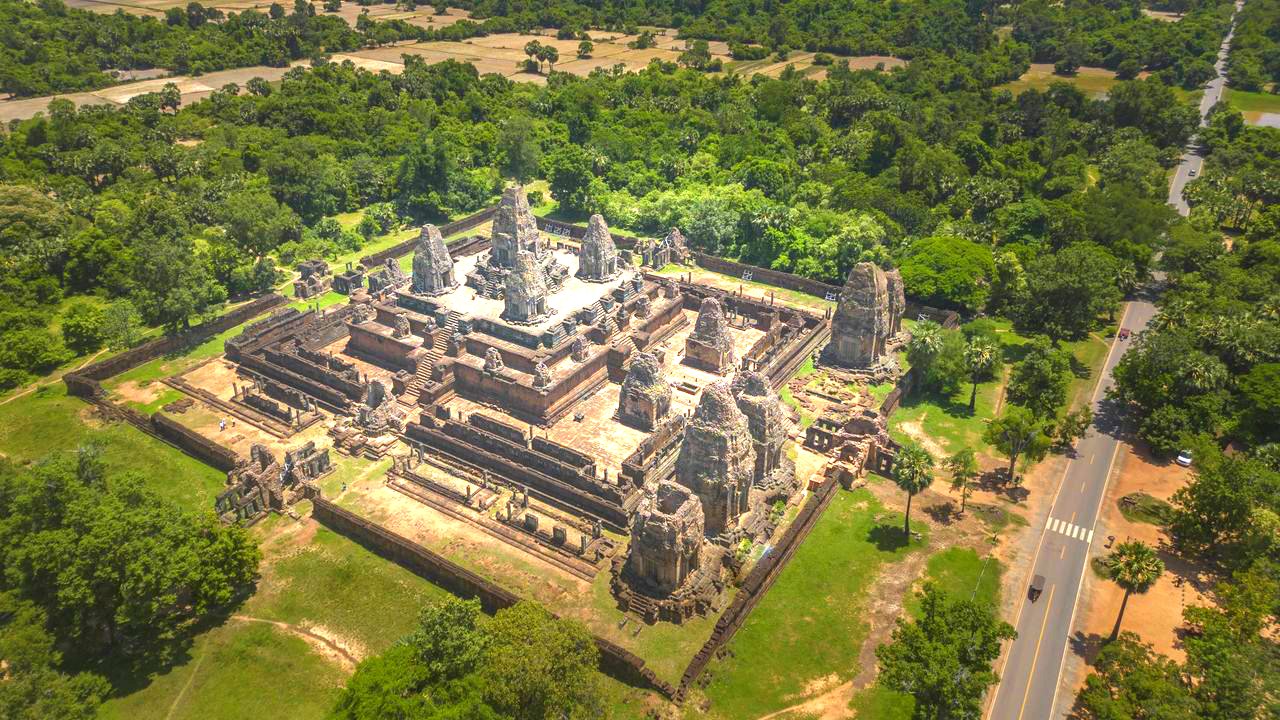
Meaning “turning the body,” Pre Rup was a temple dedicated to Shiva, built in the 10th century by Rajendravarman II. The name evokes ancient funeral rites in which the deceased’s body was symbolically rotated during cremation.
Constructed of brick and laterite, the temple’s warm orange tones blaze at sunset. Climbing its steep steps rewards visitors with sweeping views over the plains and rice fields — a moment of breathtaking beauty as the sun fades over Angkor.
Mangrove
Visiting tips:
About 20 minutes from Angkor Wat, ideal at sunset. Steps are steep and uneven — wear comfortable shoes. Allow 45 minutes to 1 hour for a relaxed visit.
Meaning “turning the body,” Pre Rup was a temple dedicated to Shiva, built in the 10th century by Rajendravarman II. The name evokes ancient funeral rites in which the deceased’s body was symbolically rotated during cremation.
Constructed of brick and laterite, the temple’s warm orange tones blaze at sunset. Climbing its steep steps rewards visitors with sweeping views over the plains and rice fields — a moment of breathtaking beauty as the sun fades over Angkor.
Tonle Sap
Visiting tips:
About 20 minutes from Angkor Wat, ideal at sunset. Steps are steep and uneven — wear comfortable shoes. Allow 45 minutes to 1 hour for a relaxed visit.
Meaning “turning the body,” Pre Rup was a temple dedicated to Shiva, built in the 10th century by Rajendravarman II. The name evokes ancient funeral rites in which the deceased’s body was symbolically rotated during cremation.
Constructed of brick and laterite, the temple’s warm orange tones blaze at sunset. Climbing its steep steps rewards visitors with sweeping views over the plains and rice fields — a moment of breathtaking beauty as the sun fades over Angkor.
The Major Tour brings together the ten most iconic temples and sites of the Angkor Archaeological Park — the spiritual and artistic heart of Cambodia. This journey is a true immersion into a thousand years of history, faith, and beauty, through the masterpieces that defined the grandeur of the Khmer Empire.
The visit begins with Angkor Wat, the country’s crown jewel and national symbol. Built in the 12th century, this monumental temple captivates with its perfect harmony of architecture and the delicate bas-reliefs that depict the great Hindu epics. At dawn, the golden light reflects on the surrounding moat, bathing the stone in a sacred glow.
Next comes Ta Prohm, the temple embraced by the jungle, where giant tree roots entwine the ancient towers. Here, nature and time merge to create one of Angkor’s most enchanting scenes.
The tour continues into Angkor Thom, the “Great City,” last capital of the Khmer Empire. Entering through its monumental gate guarded by gods and demons, visitors reach the magnificent Bayon Temple, famous for its serene stone faces smiling over the four directions. Within the royal compound stand other wonders — Phimeanakas, the temple of royal legend; the grand Baphuon, a towering temple-mountain; and the impressive Terrace of the Elephants, the royal stage adorned with intricate carvings. Nearby, the Terrace of the Leper King unveils mysterious sculptures of divine and demonic figures, evoking death and rebirth.
The path then leads to Ta Keo, an unfinished yet majestic pyramid of sandstone whose steep stairs rise boldly toward the sky — a symbol of strength, devotion, and human aspiration. The day concludes peacefully at Banteay Kdei, a quiet Buddhist sanctuary shaded by ancient trees, radiating calm and timeless spirituality.
This Major Tour is a living tapestry of history, art, and faith. It traces the evolution of Angkor — from Hindu devotion to Buddhist contemplation — and brings to life the splendor of a vanished empire, set between jungle, light, and eternity.