


INTRANET - HOW TO SELL DOOR-TO-DOOR
PART 1 - Go door to door

1 - Dress properly
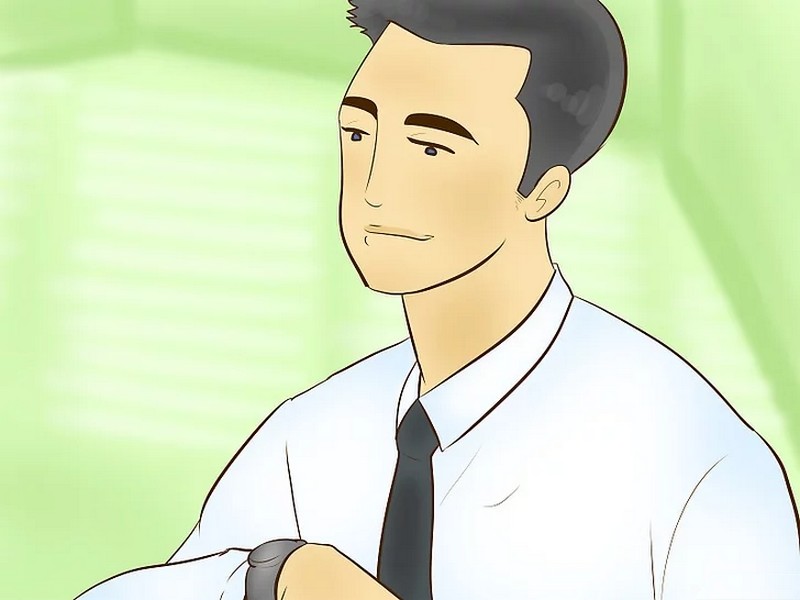
You must look presentable to the clients you want to approach. In most cases, you'd better wear a tie rather than a t-shirt and jeans. You will do a lot of walking with these clothes, they must be comfortable.
- Do not overdo it. A well-trimmed suit could be intimidating, especially if it gives you a completely different look in the neighborhood where you knock door to door
2 - Choose the right moment
During the week, most people are at home and ready to give you some of their time between 5pm and 9pm. You could also find people at home between 9 am and 5 pm, but not much. Avoid too early in the morning because many people are preparing to go to work and they do not have the time to listen to your sales arguments [1].
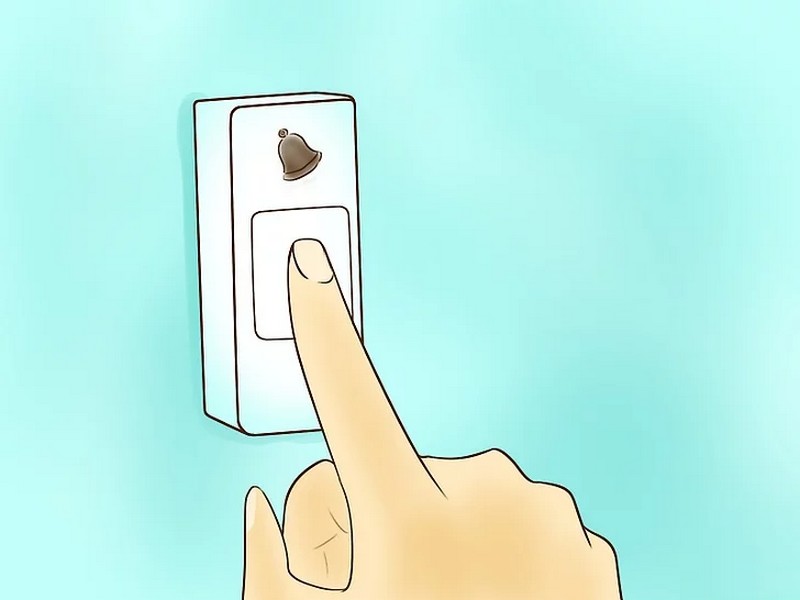
3 - Knock on the door or ring
Take a step back after ringing. This will make the situation less intimidating and show that you respect the customer's private area.
4 - Start with a greeting
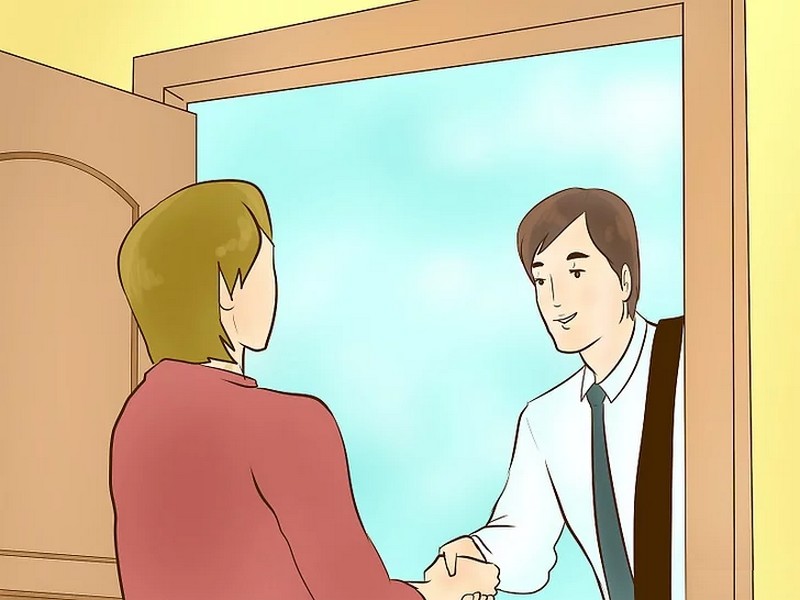
Avoid starting with your pitch. A simple "hello, how are you? "Treat everyone as a human being, not a potential customer. You want that person to trust you and let you talk to him.
- Watch the environment as you approach the door and gather clues about the customer's interests to break the ice.
- Change your introduction from time to time so that it does not become too old. It can be easy to indulge in a routine and recite learned phrases by heart instead of chatting with someone.
5 - Be friendly and sure of yourself
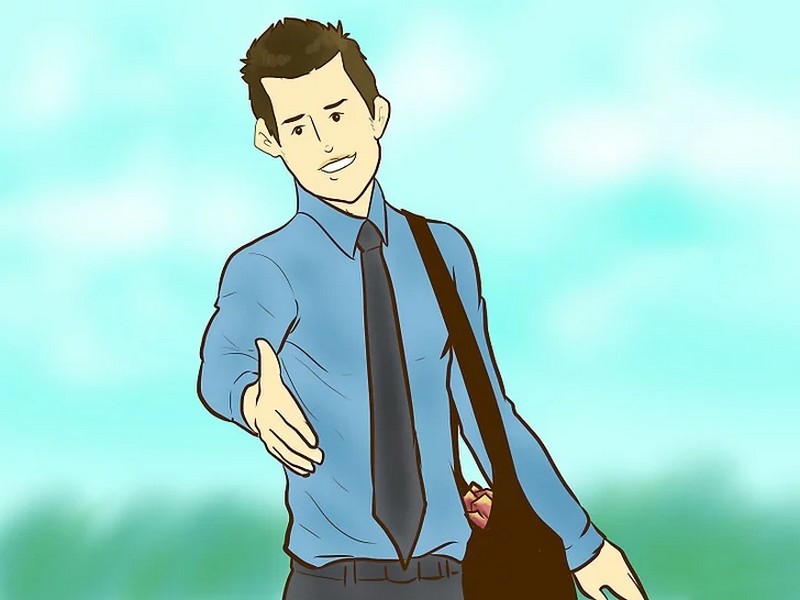
You do not just sell a product, you sell yourself as a reliable representative of the company you work for. Potential customers should want to invite you in to learn more. Always try to smile and look in your eyes
6 - Be persistentand patient
Most of the doors you will hit will open up to people who do not want to talk to you. Do not be discouraged if people say no to you. You do not want everyone to buy your products, only people who are interested.
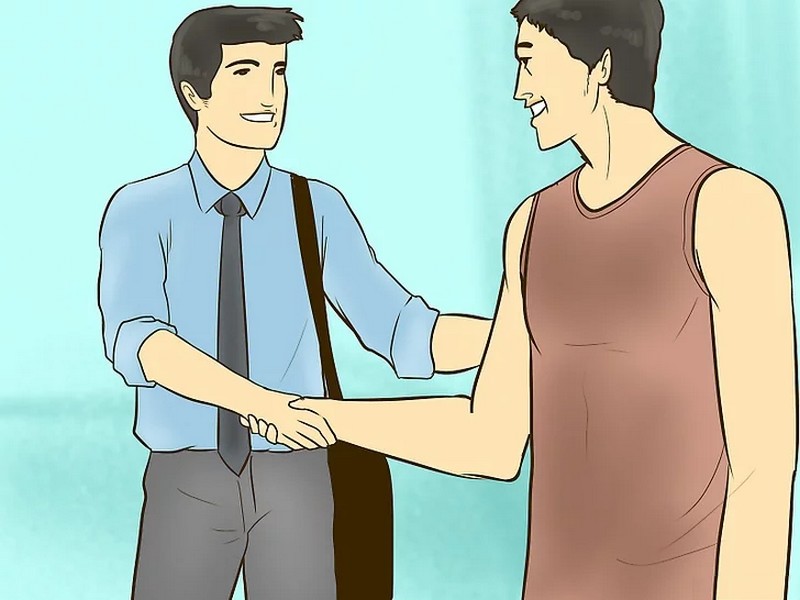
1 - Dress properly
You must look presentable to the clients you want to approach. In most cases, you'd better wear a tie rather than a t-shirt and jeans. You will do a lot of walking with these clothes, they must be comfortable.
- Do not overdo it. A well-trimmed suit could be intimidating, especially if it gives you a completely different look in the neighborhood where you knock door to door
2 - Choose the right moment
During the week, most people are at home and ready to give you some of their time between 5pm and 9pm. You could also find people at home between 9 am and 5 pm, but not much. Avoid too early in the morning because many people are preparing to go to work and they do not have the time to listen to your sales arguments [1].
3 - Knock on the door or ring
Take a step back after ringing. This will make the situation less intimidating and show that you respect the customer's private area.
4 - Start with a greeting
Avoid starting with your pitch. A simple "hello, how are you? "Treat everyone as a human being, not a potential customer. You want that person to trust you and let you talk to him.
- Watch the environment as you approach the door and gather clues about the customer's interests to break the ice.
- Change your introduction from time to time so that it does not become too old. It can be easy to indulge in a routine and recite learned phrases by heart instead of chatting with someone.
5 - Be friendly and sure of yourself
You do not just sell a product, you sell yourself as a reliable representative of the company you work for. Potential customers should want to invite you in to learn more. Always try to smile and look in your eyes
6 - Be persistentand patient
Most of the doors you will hit will open up to people who do not want to talk to you. Do not be discouraged if people say no to you. You do not want everyone to buy your products, only people who are interested.
PART 2 - Make the sale
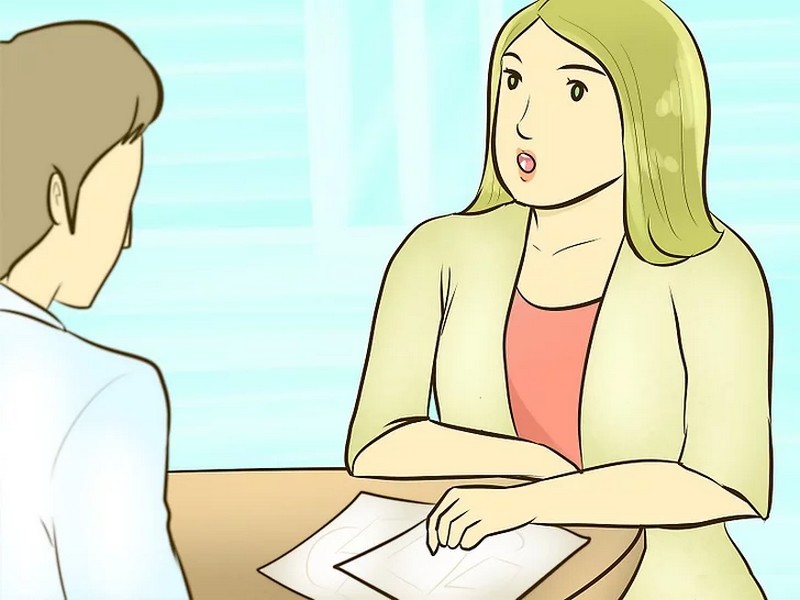
1 - Know well your product
You must make sure you know everything there is to know about the product you want to sell and answer any questions that your potential customers might ask you. It's the same rule that you want to sell high-end products or small items that you have handcrafted to make you pocket money.
- This allows you to explain the product on a personal level. You do not want to dive straight into your arguments. You must let the customer see the benefits of the product for his life.
- Be honest about the qualities of the product. You will not always have a good answer to a customer's question, but do not make promises that the product can not hold. Instead, try to return the conversation to the qualities of the product.
2 - Prepare a quick introduction
You have a very small window available to capture the customer's interest in the product. Prepare a casual introduction to introduce yourself and explain the purpose of your visit. You do not want to look too busy. You come from person to person, it's not an advertisement on television.
- For example, you could say, "My name is (your name) and I go around your neighborhood to inform people about (name of the product or service). Can I give you a demonstration? Be direct from the start so you do not waste time with a client who is not interested.
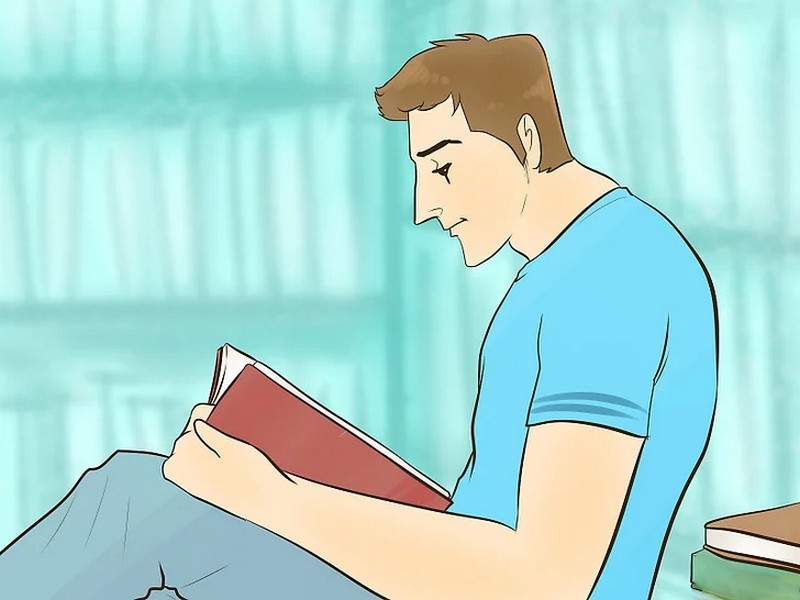
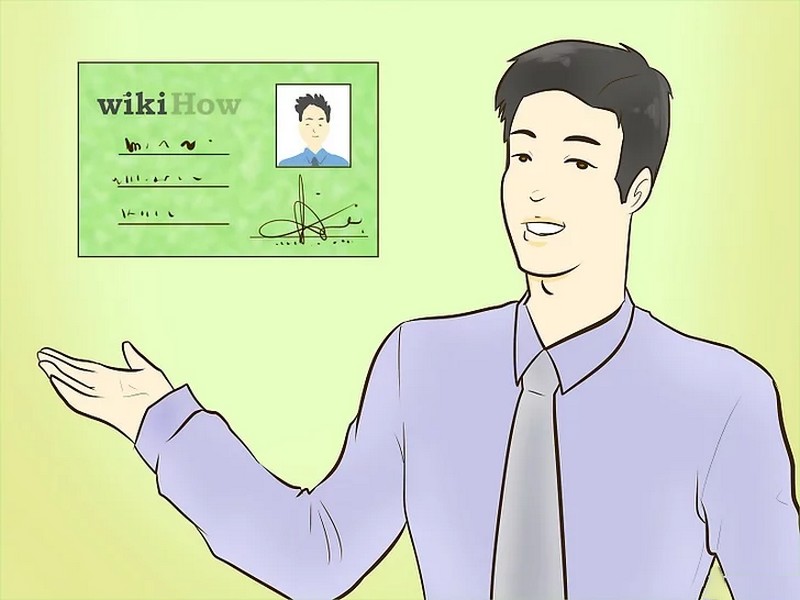
3 - Establish authenticity
Unfortunately, many scammers use door-to-door trapping for their victims, so you should have a business card or other tangible proof that you are a good representative for the company that employs you. If you work independently, you should keep products with you and be ready to sell them right away.
4 - Pay attention to the customer
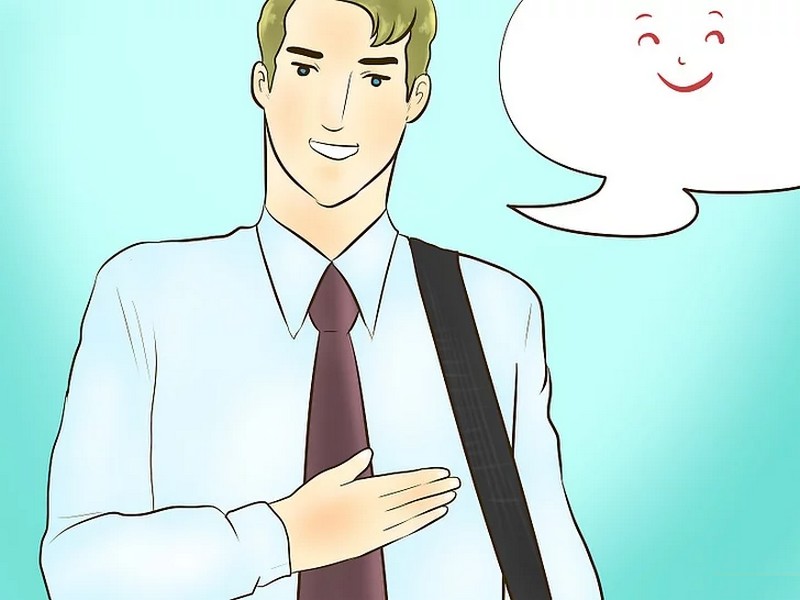
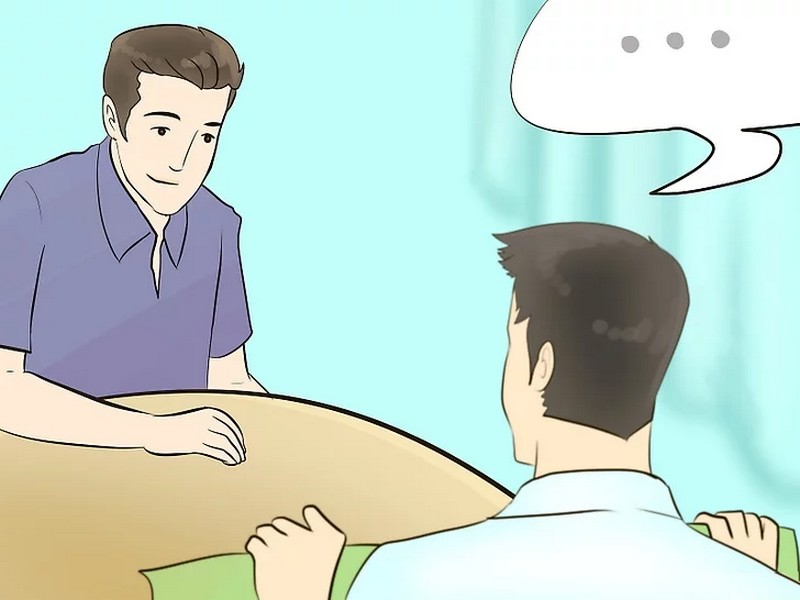
Look at his tone and body language that indicates he is interested in the product. Interested people tend to look in your eyes, lean forward, or lean their heads while talking. Give them the opportunity to speak, ask questions or make suggestions about their interest in using your product [3]. If the conversation starts to drag on, discuss the product. If he shows no sign of interest, thank him for his time and go to the next door.
- Also observe negative body language. If he crosses his arms or if he looks elsewhere, he shows you that he is not interested or trying to keep his distance.
5 - Make a presentation
If the person looks interested, but is not yet ready to buy the product, suggest that they show him how it works. If the potential customer shows interest, tell him: "let me show you ..." instead of "can I show you ..." because that kind of sentence gives him the opportunity to say no . In addition, you seem to force his hand to let him enter his house.
- Trust the product. Do not apologize until you show what the product can do. You must show that you are selling something of quality that is worth it.
- By giving him a demonstration, you also help him to think about the use he could make of it. Encourage him to describe his needs and answer his questions.
1 - Know well your product
You must make sure you know everything there is to know about the product you want to sell and answer any questions that your potential customers might ask you. It's the same rule that you want to sell high-end products or small items that you have handcrafted to make you pocket money.
- This allows you to explain the product on a personal level. You do not want to dive straight into your arguments. You must let the customer see the benefits of the product for his life.
- Be honest about the qualities of the product. You will not always have a good answer to a customer's question, but do not make promises that the product can not hold. Instead, try to return the conversation to the qualities of the product.
2 - Prepare a quick introduction
You have a very small window available to capture the customer's interest in the product. Prepare a casual introduction to introduce yourself and explain the purpose of your visit. You do not want to look too busy. You come from person to person, it's not an advertisement on television.
- For example, you could say, "My name is (your name) and I go around your neighborhood to inform people about (name of the product or service). Can I give you a demonstration? Be direct from the start so you do not waste time with a client who is not interested.
3 - Establish authenticity
Unfortunately, many scammers use door-to-door trapping for their victims, so you should have a business card or other tangible proof that you are a good representative for the company that employs you. If you work independently, you should keep products with you and be ready to sell them right away.
4 - Pay attention to the customer
Look at his tone and body language that indicates he is interested in the product. Interested people tend to look in your eyes, lean forward, or lean their heads while talking. Give them the opportunity to speak, ask questions or make suggestions about their interest in using your product [3]. If the conversation starts to drag on, discuss the product. If he shows no sign of interest, thank him for his time and go to the next door.
- Also observe negative body language. If he crosses his arms or if he looks elsewhere, he shows you that he is not interested or trying to keep his distance.
5 - Make a presentation
If the person looks interested, but is not yet ready to buy the product, suggest that they show him how it works. If the potential customer shows interest, tell him: "let me show you ..." instead of "can I show you ..." because that kind of sentence gives him the opportunity to say no . In addition, you seem to force his hand to let him enter his house.
- Trust the product. Do not apologize until you show what the product can do. You must show that you are selling something of quality that is worth it.
- By giving him a demonstration, you also help him to think about the use he could make of it. Encourage him to describe his needs and answer his questions.
PART 3 - Convince an hesitant client

1 - Learn the usual negative answers
It is likely that after visiting several houses, you will notice similar signs of disinterest. Watch them closely and prepare your answers. You may not always be able to get around them, but you will be better prepared to respond to the concerns of potential customers. [4]
- It is always possible to convince a negative customer. Do not see his negative answers as a refusal, but as an opportunity to give him more information.
2 - Concentrate on the benefits of the product
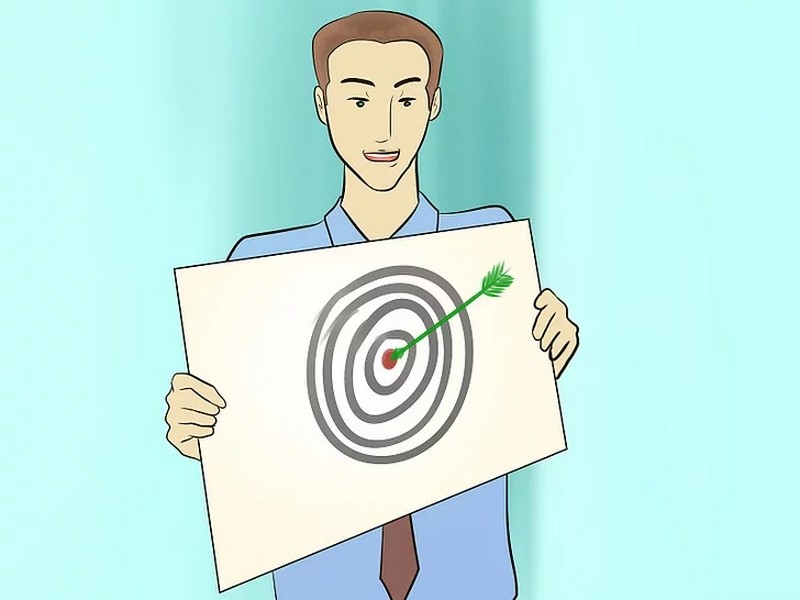
Your potential customer needs to know that what you want to sell him will bring him something he wants. You must know how to make the difference between a "benefit" and a "characteristic". A "feature" is something the product does, for example a vacuum cleaner that sucks more dust than the competition. A benefit is what the customer will take out of this feature. In the case of the vacuum cleaner, it will end up with a cleaner and healthier interior.
3 - Be positive about the product
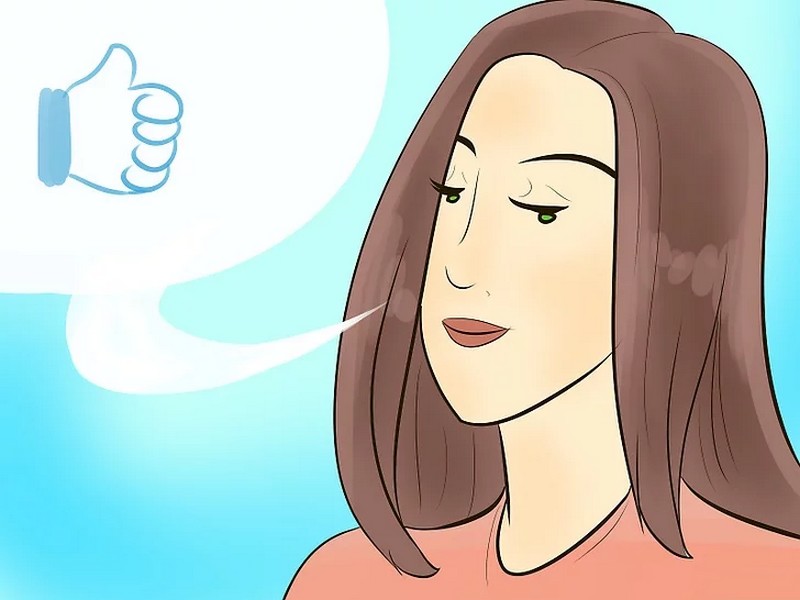
If the potential customer does not seem to want to buy the product, let your enthusiasm guide him. If he thinks you do not like or do not believe in the product, why would he like it?
4 - Submit more informations
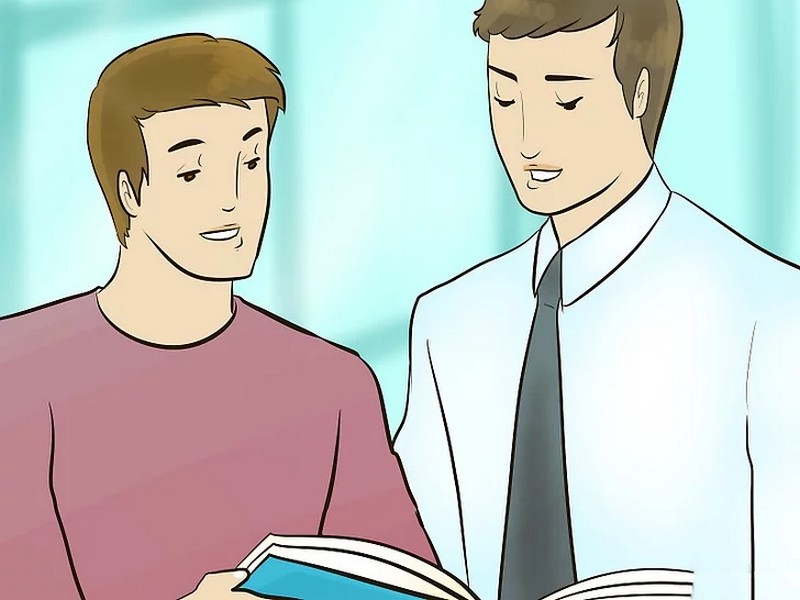
Most people will not want to stay too long at the door, if they want to talk to you longer, they will let you in. If possible, try to get their contact information. Thanks to these, you can always offer them to call back or visit them at another time.
- If you have flyers, business cards or other paper information with your contact information, it's a good time to give it to them. If you do not have one, you should prepare it.
5 - Pay attention to clear refusals
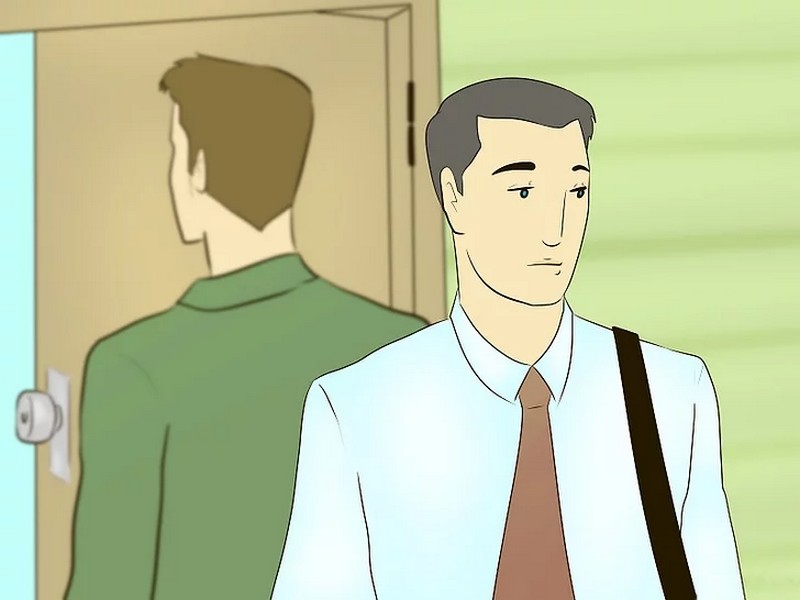
If the person says "no" in response to your requests, thank her for the time she has given you and move on to the next house. You will not get anything by forcing it longer.
1 - Learn the usual negative answers
It is likely that after visiting several houses, you will notice similar signs of disinterest. Watch them closely and prepare your answers. You may not always be able to get around them, but you will be better prepared to respond to the concerns of potential customers. [4]
- It is always possible to convince a negative customer. Do not see his negative answers as a refusal, but as an opportunity to give him more information.
2 - Concentrate on the benefits of the product
Your potential customer needs to know that what you want to sell him will bring him something he wants. You must know how to make the difference between a "benefit" and a "characteristic". A "feature" is something the product does, for example a vacuum cleaner that sucks more dust than the competition. A benefit is what the customer will take out of this feature. In the case of the vacuum cleaner, it will end up with a cleaner and healthier interior.
3 - Be positive about the product
If the potential customer does not seem to want to buy the product, let your enthusiasm guide him. If he thinks you do not like or do not believe in the product, why would he like it?
4 - Submit more informations
Most people will not want to stay too long at the door, if they want to talk to you longer, they will let you in. If possible, try to get their contact information. Thanks to these, you can always offer them to call back or visit them at another time.
- If you have flyers, business cards or other paper information with your contact information, it's a good time to give it to them. If you do not have one, you should prepare it.
5 - Pay attention to clear refusals
If the person says "no" in response to your requests, thank her for the time she has given you and move on to the next house. You will not get anything by forcing it longer.
TIPS & WARNINGS
A - Advice - Tips
- If someone looks interested, but can not talk to you now, take his contact information or ask if he is available at another time.
- Set reasonable expectations. This keeps you from feeling discouraged if sales do not work well. If you are selling to another company, it can prevent you from making sales promises that you will not be able to keep.
B - Warnings
- It is not appropriate to compliment the physical of a person of the opposite sex.
- Always use the sidewalk in search of customers. If there are none, walk along the road as far as possible from the cars.
- Do not enter private properties. Watchdogs hate touts even more than their owners.
A - Advice - Tips
- If someone looks interested, but can not talk to you now, take his contact information or ask if he is available at another time.
- Set reasonable expectations. This keeps you from feeling discouraged if sales do not work well. If you are selling to another company, it can prevent you from making sales promises that you will not be able to keep.
B - Warnings
- It is not appropriate to compliment the physical of a person of the opposite sex.
- Always use the sidewalk in search of customers. If there are none, walk along the road as far as possible from the cars.
- Do not enter private properties. Watchdogs hate touts even more than their owners.

Our websites are developed with your business goal in mind. Resorts, Shops, Restaurants, Bars, Estates, Corporates ...
We design and develop websites for small to large businesses.

Launch your Online Business in order to grow sales. We accompany you to develop the Business Online Strategy before starting out.
Whatever you sell, your E-Commerce Website will increase your sales ...

Appear in the best position possible in the Search Engines with SEO. Used with e-Mailing and Social Network, this is the best way to get more visitors and grow your business.

We strive to innovate. From print, corporate identity design and logos, to booklets, business card design and paper and Online brochures.
Whatever your print or design needs, our design studio is looking forward to being creative with your business.


